

How Cement Planters Are Made – Manufacturing Process Explained

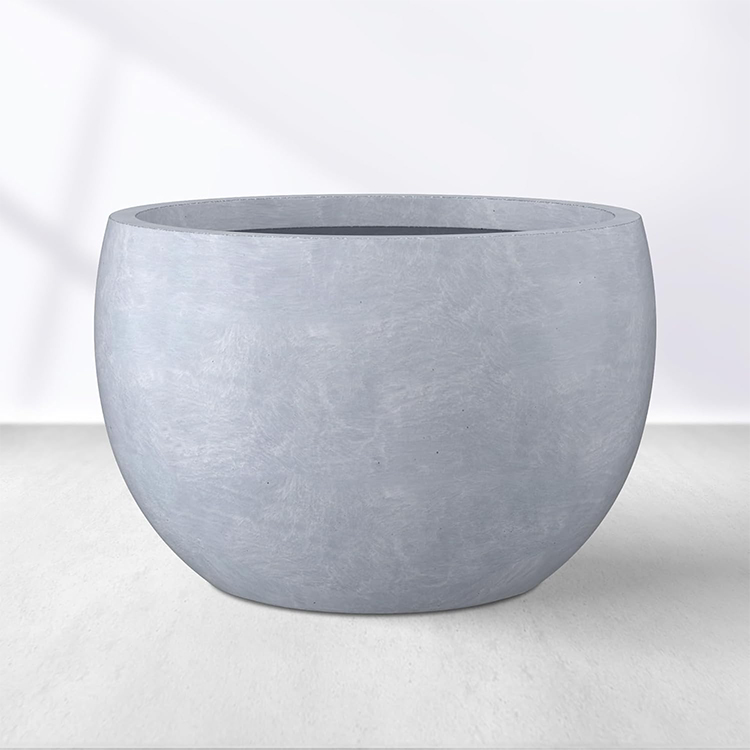
Cement planters have become a popular choice for modern landscaping, commercial projects, and export markets due to their durability, strength, and premium appearance. But have you ever wondered how high-quality cement planters are actually made?
Understanding the cement planter manufacturing process helps buyers evaluate product quality, durability, and export standards. In this blog, we explain the complete step-by-step process of how cement planters are manufactured.
1️⃣ Raw Material Selection
The quality of a cement planter starts with the right raw materials.
Key materials used:
✔ High-grade cement
✔ Clean river sand or M-sand
✔ Aggregates (if required for larger planters)
✔ Water (measured ratio)
✔ Reinforcement materials (steel mesh or fiber, for large planters)
Proper material selection ensures strength, crack resistance, and long-term durability.
2️⃣ Mold Preparation
Molds determine the final shape and finish of the planter.
Molds can be made from:
- Fiber
- Rubber
- Plastic
- Metal
The mold is cleaned and treated with a releasing agent to ensure smooth removal after casting. Precision molds ensure uniform thickness and consistent design.
3️⃣ Mixing Process
The cement mixture is prepared using a controlled ratio of:
- Cement
- Sand
- Water
For export-quality planters, the mix ratio is carefully measured to achieve:
✔ Proper strength
✔ Smooth surface finish
✔ Structural stability
Mechanical mixers are often used for uniform consistency.
4️⃣ Casting & Shaping
Once the mixture is ready, it is poured into the prepared mold.
During casting:
- The mixture is evenly spread
- Air bubbles are removed using vibration
- Reinforcement is added for large planters
- Surface finishing is done manually or mechanically
Vibration helps eliminate air pockets, which improves strength and reduces cracking risk.
5️⃣ Curing Process
Curing is one of the most important stages in cement planter manufacturing.
Freshly cast planters are left to cure for several days. Proper curing:
✔ Increases strength
✔ Prevents surface cracks
✔ Improves durability
✔ Enhances weather resistance
Controlled curing ensures export-grade quality.
6️⃣ De-Molding & Surface Finishing
After curing, the planter is carefully removed from the mold.
Surface finishing may include:
- Sanding
- Polishing
- Texturing
- Edge refinement
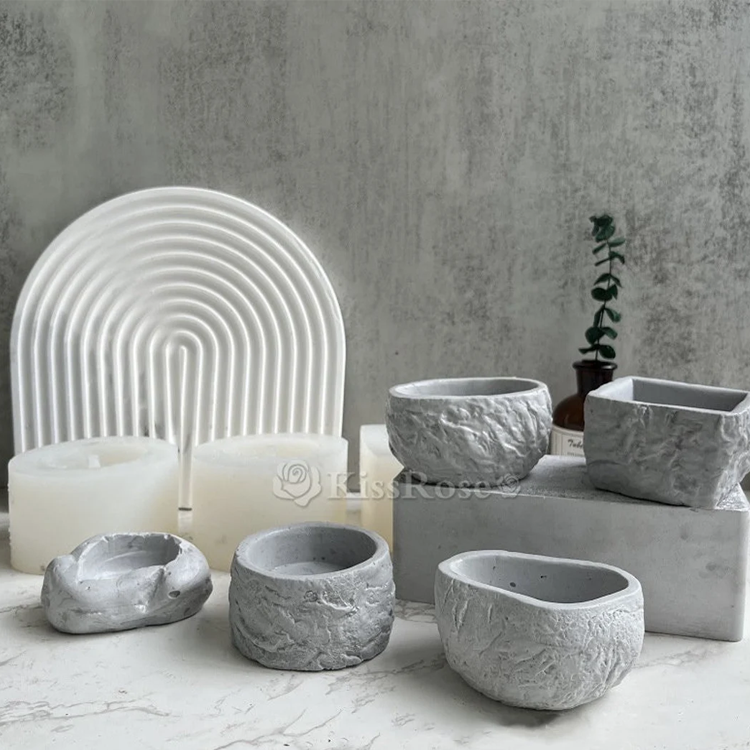
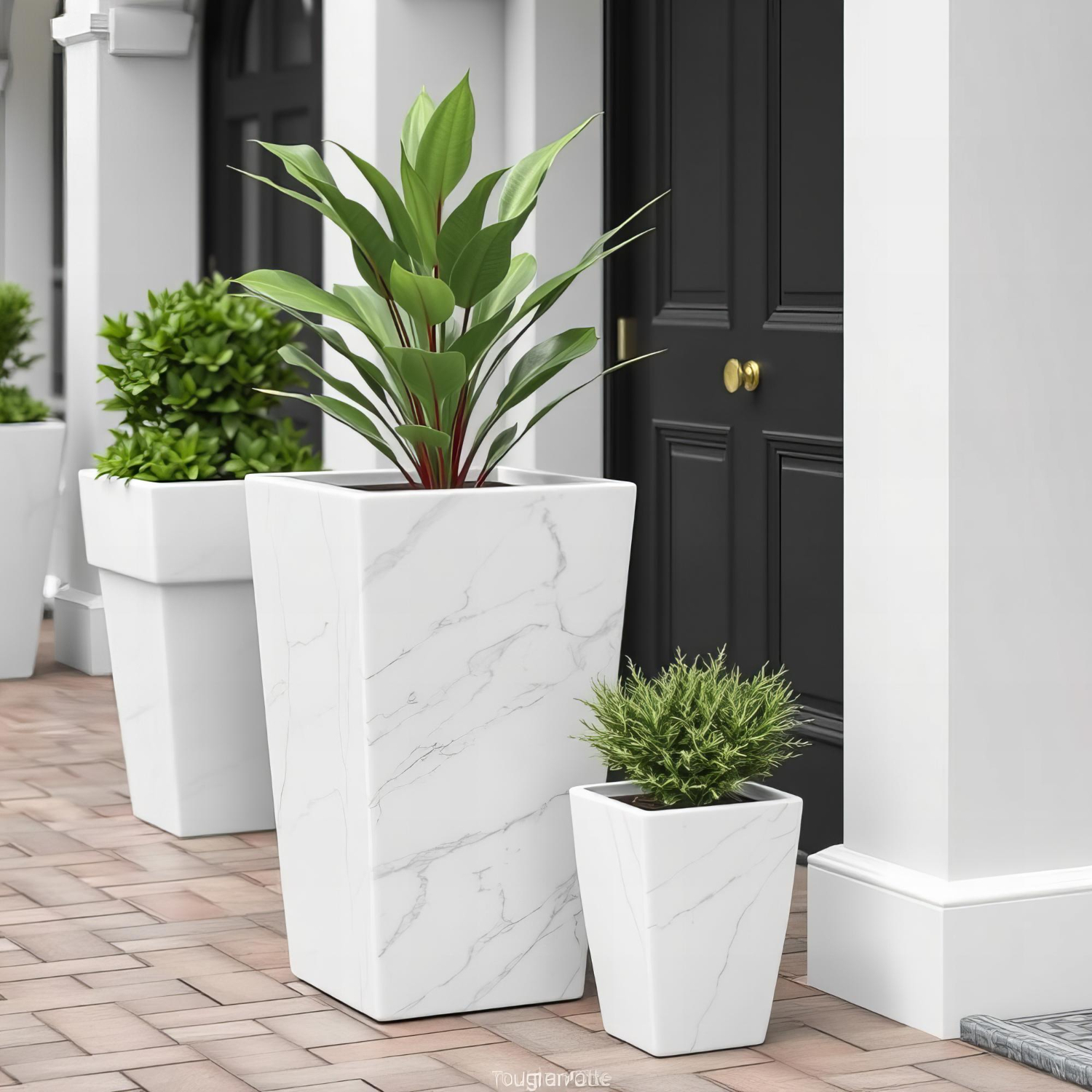
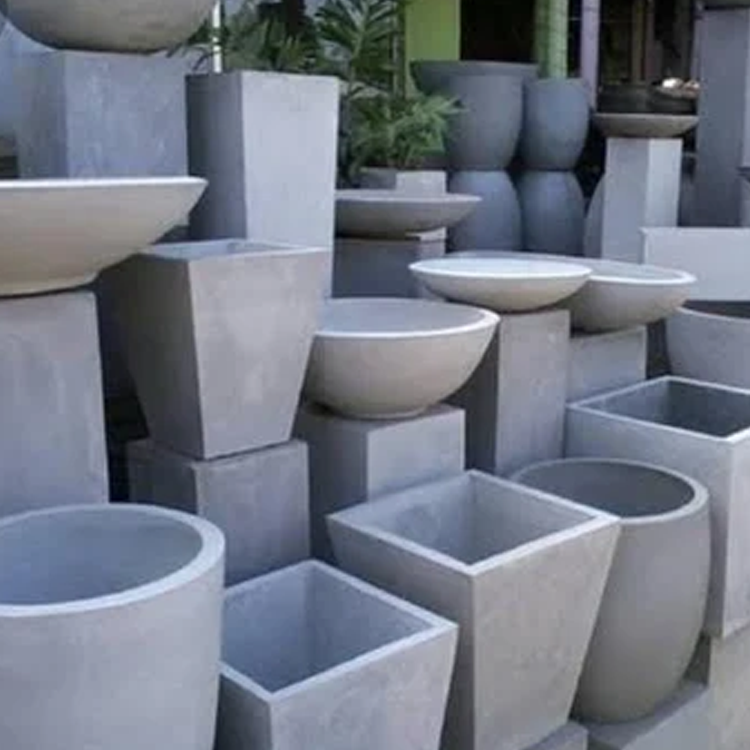
Depending on design requirements, planters may receive a smooth finish, textured finish, or natural concrete look.
7️⃣ Quality Inspection
Before packaging, each planter undergoes quality checks:
✔ Size accuracy
✔ Surface inspection
✔ Structural strength
✔ Crack inspection
✔ Weight consistency
For export orders, batch consistency is especially important.
8️⃣ Optional Painting or Sealing
Some cement planters receive:
- Waterproof coating
- Protective sealant
- Custom color finishing
- UV-resistant coating
This improves durability and enhances aesthetic appeal.
9️⃣ Export Packaging
For international shipments, packaging is critical.
Export-quality packaging includes:
✔ Bubble wrap or foam protection
✔ Palletization
✔ Corner guards
✔ Strong carton or wooden support
✔ Proper labeling
Secure packaging reduces transit damage and ensures safe delivery.