


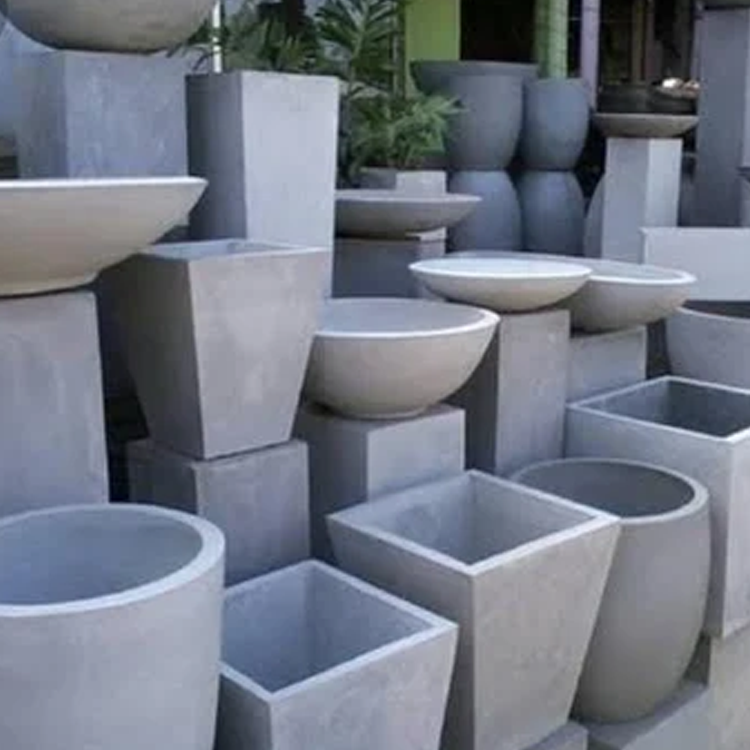


Complete Guide to Cement Materials


Types, Uses, Benefits, and Applications
Cement materials are the foundation of modern construction and infrastructure development. From small residential houses to massive commercial complexes, bridges, highways, and industrial plants, cement-based materials play a crucial role in ensuring structural strength, durability, and long-term stability. Understanding cement materials, their types, properties, and applications helps builders, contractors, architects, and developers make informed decisions for successful construction projects.
What Are Cement Materials?
Cement materials refer to construction products that use cement as the primary binding agent. When mixed with water, cement forms a paste that binds aggregates such as sand and gravel together, creating mortar or concrete. These materials are widely used due to their excellent compressive strength, durability, and adaptability in various environmental conditions.
Cement acts as a hydraulic binder, meaning it hardens when mixed with water and retains its strength even under water. This property makes cement-based materials ideal for foundations, structural frameworks, and infrastructure projects.
Main Types of Cement
1. Ordinary Portland Cement (OPC)
Ordinary Portland Cement is the most commonly used type of cement in construction. It is suitable for general building purposes such as residential houses, commercial buildings, and pavements. OPC provides high early strength and reliable performance under normal conditions.
2. Portland Pozzolana Cement (PPC)
PPC contains pozzolanic materials such as fly ash, which improve durability and resistance to chemical attacks. It generates less heat during hydration, making it suitable for mass concreting works and long-term structures.
3. Rapid Hardening Cement
This cement type gains strength faster than OPC and is ideal for projects requiring quick construction timelines, such as road repairs and precast components.
4. White Cement
White cement is used mainly for decorative works, wall finishes, tile grouting, and architectural applications where aesthetic appeal is important.
5. Sulphate Resistant Cement
Designed to resist sulphate attacks, this cement type is used in marine structures, sewage treatment plants, and foundations exposed to aggressive soil conditions.
Major Cement-Based Construction Materials
Concrete
Concrete is a mixture of cement, sand, aggregates, and water. It is one of the most widely used construction materials globally due to its strength and versatility. Concrete is used in foundations, beams, columns, slabs, roads, and bridges.
Mortar
Mortar is made by mixing cement with sand and water. It is primarily used for binding bricks or blocks and for plastering surfaces.
Cement Blocks
Cement blocks are durable masonry units used for constructing walls. They provide strength, thermal insulation, and cost efficiency in residential and commercial buildings.
Paver Blocks
Paver blocks are used in landscaping, driveways, parking areas, and walkways. Their interlocking design ensures load distribution and durability.
Precast Concrete Products
Precast components such as slabs, beams, pipes, and panels are manufactured in controlled factory environments, ensuring quality consistency and reduced on-site construction time.
Properties of Quality Cement Materials
- High Compressive Strength: Supports heavy structural loads.
- Durability: Long service life with minimal maintenance.
- Water Resistance: Protects against moisture penetration.
- Fire Resistance: Enhances safety in buildings.
- Workability: Easy to mix, place, and finish.
Advantages of Using Cement Materials
Cement materials offer several advantages that make them indispensable in construction:
- Cost-effective for large-scale projects
- Versatile for structural and decorative applications
- High load-bearing capacity
- Low maintenance requirements
- Suitable for diverse climatic conditions
Applications in Construction
Cement materials are used in almost every aspect of construction, including:
- Building foundations and structural frameworks
- Flooring and roofing systems
- Plastering and finishing works
- Road and highway construction
- Bridges, dams, and tunnels
- Industrial and commercial infrastructure
Quality Control in Cement Manufacturing
The quality of cement materials depends on strict manufacturing standards. Testing raw materials, maintaining proper clinker composition, and using advanced grinding technologies ensure consistent performance. Strength testing, setting time analysis, and durability checks are essential to maintain reliability.
Sustainability in Cement Materials
Modern cement production focuses on sustainability by incorporating alternative fuels, recycled materials, and energy-efficient processes. Blended cements such as PPC help reduce carbon emissions while maintaining durability and strength.
Tips for Selecting the Right Cement Material
- Identify project requirements and load conditions
- Check manufacturing and quality certifications
- Choose appropriate cement type for environmental exposure
- Ensure proper storage to avoid moisture damage
- Follow recommended curing practices
Future Trends in Cement Materials
Technological advancements are shaping the future of cement materials. Innovations such as self-healing concrete, high-performance concrete, and eco-friendly alternatives are transforming the construction industry. Smart construction practices combined with durable cement materials will drive sustainable infrastructure development worldwide.
Conclusion
Cement materials remain the backbone of the global construction industry. Their strength, durability, versatility, and cost efficiency make them essential for projects of all scales. By understanding different types of cement and related products, builders and developers can ensure structural integrity, long-term performance, and sustainable growth. Choosing high-quality cement materials ultimately guarantees safer, stronger, and more resilient construction outcomes.