



Cement Related Products Guide

Types, Uses, Benefits & Applications
Cement related products form the backbone of modern construction. From residential homes and commercial complexes to highways, bridges, and industrial facilities, cement-based materials provide strength, durability, and long-term structural performance. Understanding different cement products and their applications helps builders, contractors, architects, and developers select the right materials for safe and efficient construction.
Introduction to Cement Related Products
Cement is a binding material that hardens when mixed with water and aggregates. This unique hydraulic property allows it to gain strength over time and maintain durability even under moisture exposure. Cement related products are developed by combining cement with sand, aggregates, chemicals, and additives to create specialized construction materials.
These products are engineered to meet various structural, decorative, and functional requirements in construction projects. With advancements in manufacturing technology, modern cement materials now offer improved strength, faster setting times, enhanced weather resistance, and eco-friendly benefits.
Major Types of Cement Used in Construction
1. Ordinary Portland Cement (OPC)
OPC is the most widely used cement type for general construction. It provides high early strength and is ideal for residential buildings, pavements, and reinforced concrete structures.
2. Portland Pozzolana Cement (PPC)
PPC contains pozzolanic materials such as fly ash, which enhance durability and reduce heat of hydration. It is suitable for large structures, marine works, and mass concreting.
3. White Cement
White cement is primarily used for decorative finishes, wall putty, tile grouting, and architectural designs where aesthetics are important.
4. Rapid Hardening Cement
This type of cement gains strength quickly, making it suitable for road repairs, precast components, and time-sensitive construction projects.
Key Cement Related Construction Products
Concrete
Concrete is a mixture of cement, sand, aggregates, and water. It is used for foundations, beams, columns, slabs, roads, bridges, and dams. Its high compressive strength makes it one of the most essential building materials worldwide.
Ready-Mix Concrete
Ready-mix concrete is produced in batching plants under controlled conditions and delivered to construction sites. It ensures consistent quality, accurate mix proportions, and reduced waste.
Cement Blocks
Cement blocks are durable masonry units used for wall construction. They offer strength, thermal insulation, sound resistance, and cost efficiency.
Paver Blocks
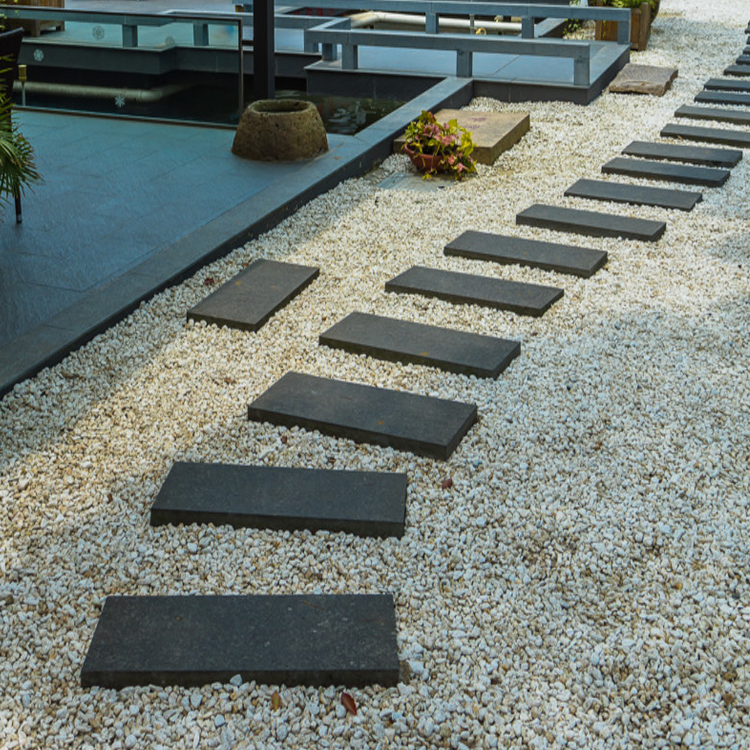
Paver blocks are interlocking cement products used for driveways, parking areas, walkways, and landscaping projects. They provide load distribution and long-lasting performance.
Precast Concrete Products
Precast slabs, beams, pipes, and panels are manufactured in factory-controlled environments. These products reduce on-site labor, improve precision, and enhance structural quality.
Tile Adhesives and Grouts
Cement-based tile adhesives provide strong bonding for ceramic, porcelain, and stone tiles. Grouts improve finishing, prevent water penetration, and enhance durability.
Wall Putty
Cement wall putty ensures smooth surfaces before painting. It improves paint adhesion and protects walls from moisture and cracks.
Properties of Quality Cement Products
- High Strength: Capable of bearing heavy loads.
- Durability: Long lifespan with minimal maintenance.
- Water Resistance: Suitable for humid and wet conditions.
- Fire Resistance: Enhances structural safety.
- Versatility: Suitable for structural and decorative applications.
Applications Across Construction Sectors
Cement related products are used across various construction sectors, including:
- Residential housing projects
- Commercial and office buildings
- Industrial warehouses and factories
- Roads, highways, and bridges
- Urban landscaping and infrastructure
Their adaptability makes them essential for both load-bearing structures and finishing work.
Benefits of Using High-Quality Cement Products
Investing in premium cement materials ensures long-term value and safety. High-quality products reduce maintenance costs, improve structural integrity, and enhance project timelines. Properly manufactured cement products also comply with national and international construction standards.
Additionally, modern cement manufacturing emphasizes sustainability. Blended cements reduce carbon emissions, and improved production techniques lower environmental impact.
Quality Control and Standards
Reliable cement products undergo strict testing procedures, including compressive strength testing, setting time analysis, and durability checks. Controlled curing environments and automated batching systems help maintain consistent quality.
Storage and Handling Tips
- Store cement in a dry, moisture-free environment.
- Use cement within recommended shelf life.
- Ensure proper curing after application.
- Follow manufacturer guidelines for mixing ratios.
Future Trends in Cement Related Products
The construction industry is evolving with innovations such as self-healing concrete, lightweight concrete blocks, and eco-friendly cement alternatives. These advancements aim to improve durability, sustainability, and construction efficiency.
Smart construction technologies combined with durable cement materials will continue to shape the future of global infrastructure development.
Conclusion
Cement related products are essential for building strong, safe, and sustainable structures. From foundational concrete to decorative finishes, these materials provide unmatched versatility and durability. By selecting the right cement products and maintaining quality standards, construction professionals can ensure long-lasting performance and structural reliability for every project.